How Much Does Shopify Development Cost in 2026? Pricing by Project Type
Key Takeaways
- Entry-level Shopify developers charge $20–$40/hr for basic Liquid edits and template customisations — not for Plus, Hydrogen, or checkout work.
- Project costs range from $500 for a theme tweak to $100,000+ for a fully custom Hydrogen storefront; the biggest cost driver is always scope clarity.
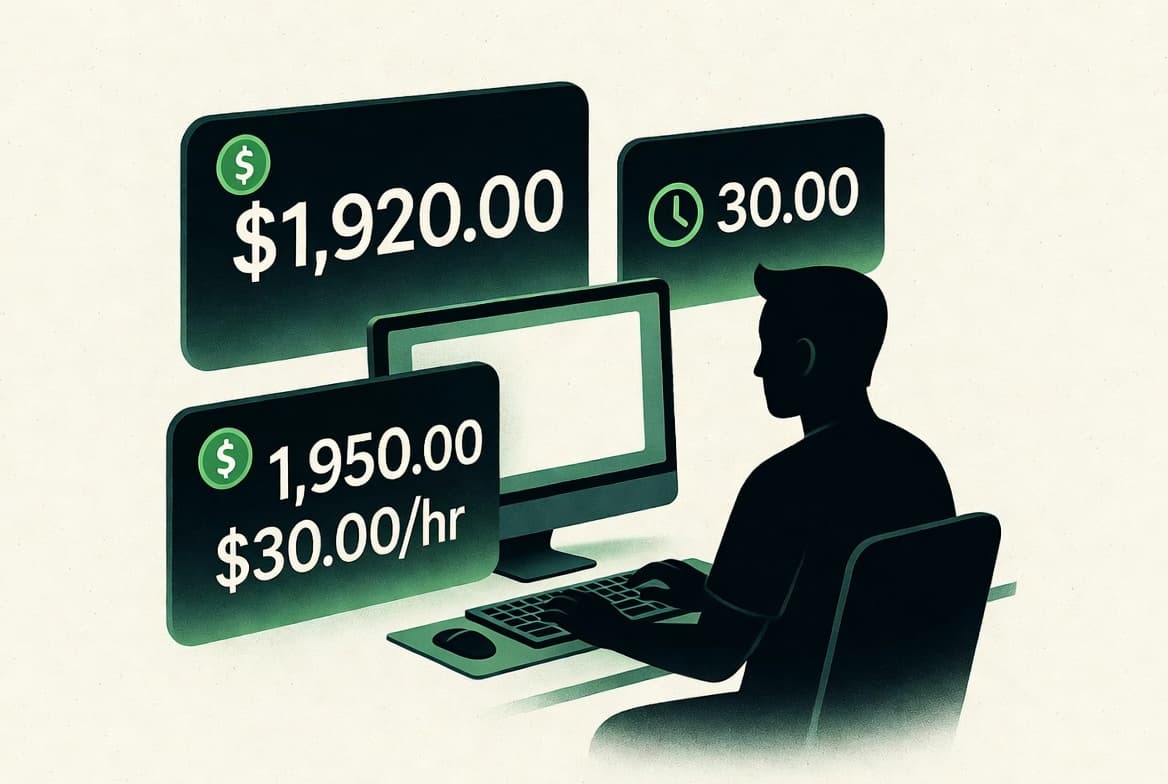
- A developer charging $30/hr who takes twice as long and requires three rounds of rework will cost more than a $75/hr specialist who ships clean on the first pass.
- Any work touching Shopify checkout requires Checkout Extensibility expertise — developers without this skill will cost you more in rework than they save in hourly rate.
- Always get a written Statement of Work before any work begins — scope creep without a SOW is the fastest way to double your budget.
- Vetted platforms deliver pre-screened developers at near-freelance rates without the agency markup — the right middle ground for most Shopify projects.
Hiring the wrong Shopify developer at the wrong price is one of the most expensive mistakes an e-commerce brand can make. A freelancer who quotes $800 for a "quick" theme build and delivers three months later — breaking your checkout in the process — costs far more than the $4,500 specialist who ships in two weeks and documents every change. Price and quality are not the same thing, but understanding what fair market rates look like in 2026 is the starting point for every smart hire.
Shopify development costs have shifted significantly over the past two years. The platform has matured — Checkout Extensibility replaced custom checkout scripts, Hydrogen moved from beta to production-ready, B2B features arrived natively — and with that maturity came a wider skill gap between developers who kept up and those who did not. A developer who last touched Shopify in 2022 and one who shipped a Hydrogen storefront last quarter are not interchangeable, even if their hourly rates look similar.
This guide breaks down real 2026 market rates by developer tier, by project type, and by engagement model. Whether you are planning a theme refresh, a full platform migration, or a custom app build, you will know what to budget before your first conversation with a developer.
1. Shopify Developer Hourly Rates in 2026
Entry-Level ($20–$40/hr) Developers in this range typically handle template-based customisations, basic Liquid edits, and straightforward theme setups using pre-built sections. They are suitable for small one-off tasks — fixing a broken section, adjusting a colour scheme, adding a metafield display — where the scope is tightly defined and low-risk. Expect slower turnaround and limited knowledge of Shopify's newer APIs.
Mid-Level ($45–$75/hr) This tier covers the majority of Shopify work: Online Store 2.0 theme builds, custom section development, Storefront API integrations, app configuration, and basic Shopify Functions. A strong mid-level developer can handle most standard projects — a DTC store build, a WooCommerce migration, a custom collection filter — with minimal supervision. Most businesses at the $500K–$5M revenue stage will find this tier sufficient.
Senior / Specialist ($80–$150/hr) Senior developers own end-to-end architecture decisions. They work with Checkout Extensibility, Shopify Functions, Hydrogen/Remix, B2B APIs, and complex ERP integrations. At this level you are paying for judgment, not just execution — they identify risks, propose better patterns, and push back when a spec will cause problems. Required for Shopify Plus projects, headless builds, and anything touching checkout or subscriptions.
Agency Rates ($100–$250/hr) Agencies add project management, QA, and account stability on top of developer time. The premium is real but justified for large, multi-phase projects where you need a dedicated team rather than individual contributors.
| Tier | Hourly Rate | Best For |
|---|---|---|
| Entry-level | $20–$40 | Small fixes, template edits |
| Mid-level | $45–$75 | Theme builds, migrations, standard apps |
| Senior/Specialist | $80–$150 | Plus, Hydrogen, checkout, ERP |
| Agency | $100–$250 | Multi-phase, managed projects |
2. Cost by Project Type
Theme Customisation ($500–$5,000) Customising an existing Shopify theme — adjusting layouts, adding sections, building custom blocks — sits at the lower end of the budget spectrum. A modest set of changes to a Dawn or Prestige theme typically runs $500–$1,500. A heavily customised theme with bespoke homepage sections, custom product page logic, and metafield-driven content can reach $3,000–$5,000. The variable is always scope: demand a written spec before any work begins.
Custom Theme Development ($5,000–$20,000) Building a Shopify theme from scratch is a significant investment. A well-structured custom theme with full Online Store 2.0 section/block architecture, performance optimisation targeting 90+ PageSpeed scores, and merchant-editable settings typically runs $8,000–$15,000. Brands that need precise visual fidelity to a Figma design and cannot achieve it with an off-the-shelf theme are the right candidates here.
Store Migration ($3,000–$30,000) Migration cost scales almost entirely with data volume and complexity. A straightforward WooCommerce migration with under 5,000 products, clean data, and no custom plugins typically runs $3,000–$8,000. A Magento 2 migration with hundreds of thousands of SKUs, complex pricing rules, custom tax logic, and ERP dependencies can reach $20,000–$30,000. Factor in a post-launch monitoring period — migrations rarely ship perfectly clean.
Custom App Development ($5,000–$80,000) Private apps and custom Shopify Functions cover everything from a simple wholesale price calculator to a full order management system. A basic app (single Admin UI extension, one webhook handler) runs $5,000–$12,000. A complex app with multiple surfaces — Admin extensions, checkout extensions, Storefront API queries, external webhooks — can reach $40,000–$80,000.
Shopify Plus Setup & Configuration ($5,000–$25,000) Shopify Plus unlocks Checkout Extensibility, Flows, B2B, multi-store management, and the Organisation Admin. Setting up a Plus environment properly — configuring checkout extensions, automated flows, wholesale pricing, and staff permissions — requires 40–150 hours of specialist time. Budget $5,000–$10,000 for a basic Plus configuration and $15,000–$25,000 for a full enterprise setup.
Headless / Hydrogen Storefront ($25,000–$100,000+) Hydrogen is production-ready in 2026, but it is not a DIY project. A headless Shopify storefront built on Hydrogen and deployed to Oxygen involves React/Remix expertise, Storefront API integration, cart and session management, SEO configuration, and performance tuning. Expect $25,000–$50,000 for a standard headless migration and $60,000–$100,000+ for a fully custom headless experience.
ERP / Third-Party Integration ($8,000–$50,000) Integrating Shopify with NetSuite, SAP, ERPNext, or a custom warehouse system is consistently underestimated. The actual API work is only part of the cost — data mapping, error handling, sync logic, and ongoing maintenance account for the rest. A basic inventory sync runs $8,000–$15,000. A full bi-directional ERP integration runs $25,000–$50,000.
3. What Drives the Price Up
Scope creep without a SOW. The fastest way to double your budget is to start work without a written Statement of Work. Every "can we just add..." conversation costs money. Fix the scope in writing before the first line of code.
Legacy technical debt. If your existing store has heavily modified theme code, undocumented custom scripts, or outdated apps with breaking dependencies, expect a cleanup phase before new work begins.
Tight deadlines. Rush work costs more. A four-week project compressed into ten days typically commands a 30–50% premium and increases the risk of errors.
Shopify Plus and checkout complexity. Any work touching Shopify checkout — extensions, upsells, custom validation — requires Plus-certified knowledge. Developers without Checkout Extensibility experience will cost you more in rework than they save in hourly rate.
Poor design specs. Developers working from vague wireframes spend significant time in revision cycles. Investing in a Figma design before hiring reduces total project cost.
4. Freelancer vs. Agency vs. Vetted Platform
Freelancers offer the lowest hourly rates but the highest management overhead. You are responsible for vetting, onboarding, project management, and quality control. A bad hire has no accountability chain.
Agencies provide managed delivery and team depth but charge a significant premium — often 40–60% above what the developer earns. For large, long-running projects the management layer is worth it. For focused development work, it usually is not.
Vetted platforms like HireShopifyDevs sit in the middle: pre-screened developers, transparent pricing, and direct access — without the agency markup. The vetting removes the single biggest risk of hiring independently while keeping costs closer to freelance rates.
| Model | Hourly Cost | Vetting | PM Support | Best For |
|---|---|---|---|---|
| Freelancer | $20–$100 | None | None | Small, low-risk tasks |
| Agency | $100–$250 | High | Full | Large managed projects |
| Vetted platform | $20–$150 | High | Partial | Most ongoing and project work |